
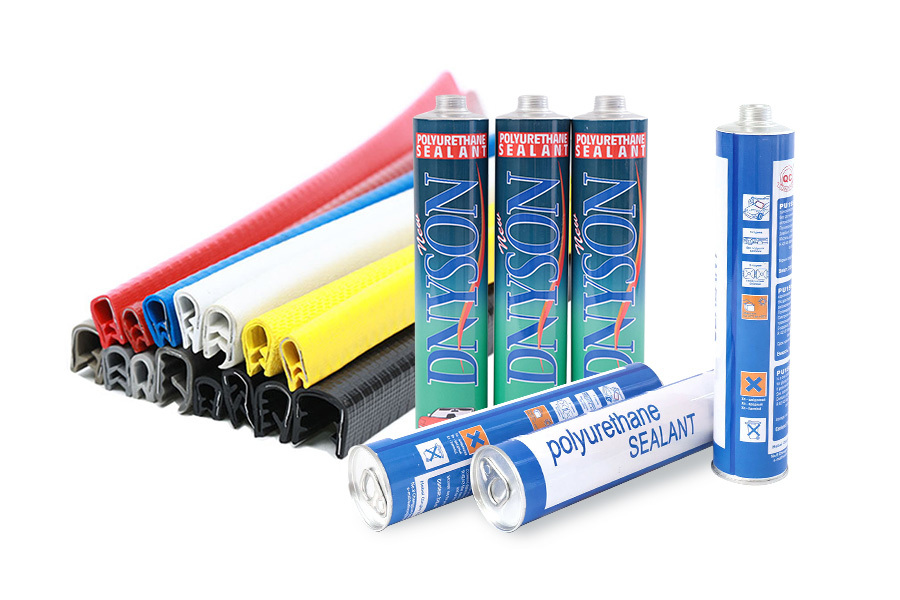
Improper selection of sealant for glass curtain walls can lead to water leakage in buildings.
Jan 13,2021
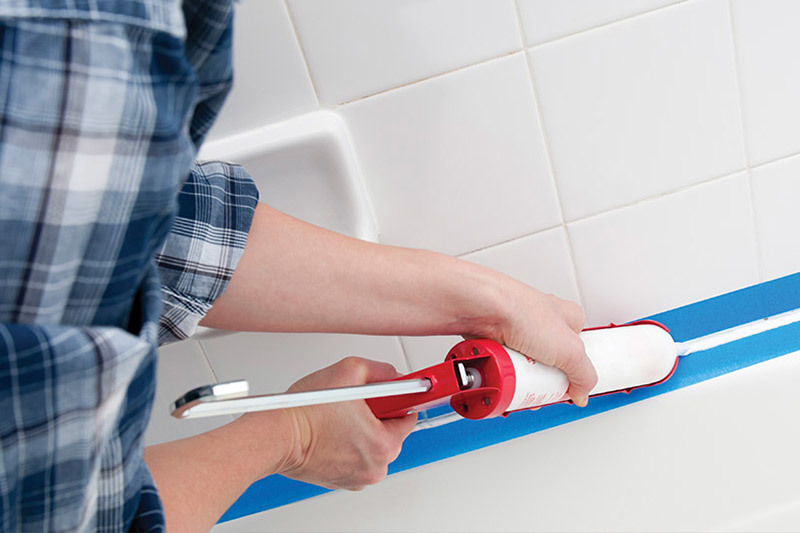
1. Improper construction, including insufficient application of silicone, cutting corners, or not following the drawings, and not filling the joints with two-component polysulfide sealant can lead to waterproof failure, which is more detrimental.
2. When external forces, water factors, gaps, and other factors are present, it is inevitable that leakage will occur. Insufficient application of sealant, cutting corners, or not following the drawings can all lead to poor sealing, resulting in leaks. It is important to ensure that the sealant fills the entire joint and has sufficient contact with the substrate to guarantee good adhesion between the sealant and the substrate, which is also essential for ensuring the durability of the sealant.
3. If the displacement capability of the two-component polysulfide sealant cannot meet the joint displacement requirements, it will result in poor weather resistance of the sealant, leading to serious consequences such as insufficient aging resistance. The aging of the sealant significantly reduces its displacement capability, which cannot meet the displacement requirements of the panels, often due to the use of low-displacement-capacity sealants or even fake sealants.
4. Three-sided adhesion can restrict the displacement capability of the sealant. If necessary, anti-adhesion agents can be used to avoid three-sided adhesion. Additionally, the joints at the intersections are subject to different forces, resulting in larger displacements. It is important to design expansion joints to allow the sealant to accommodate excessive movement and to prevent direct contact between the window frame and the wall.
Previous article

Service Hotline
+8613703190257 Tian Zong
+8615931978520 Manager Wei
Company Address
8 Chengguan Industrial Zone, Qinghe County, Hebei Province, China