
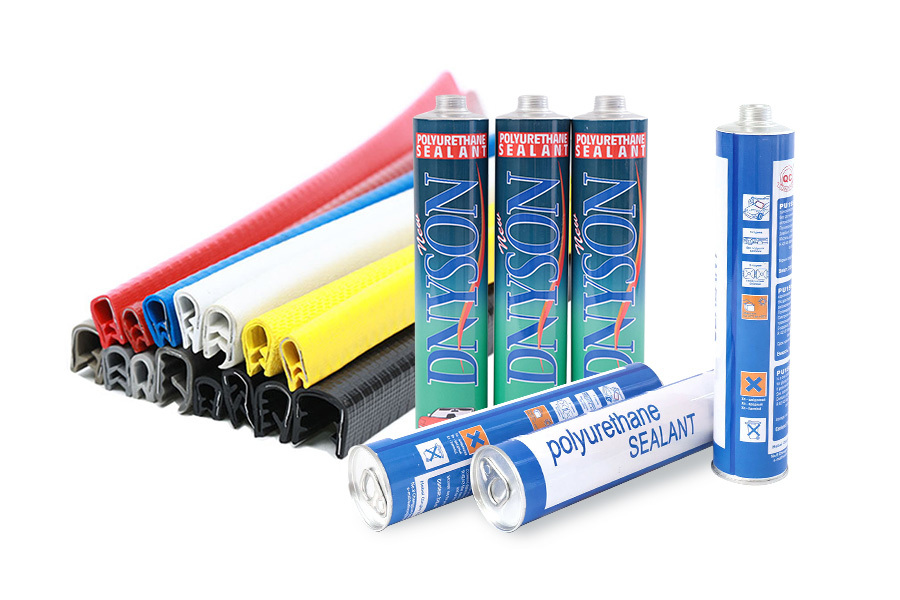
What is new energy vehicle sealant?
Mar 22,2022

What is a New Energy Vehicle Sealant?
Sealant is a material used for bonding or sealing components and configurations, mainly applied in the automotive and other industrial fields. As a brand new product and concept, new energy vehicles can not only effectively reduce carbon emissions but also bring tremendous changes to the entire industry. In this wave of technological innovation, traditional mechanical structures are gradually being phased out. With the arrival of the electrification era, various types of automobile manufacturers are focusing on pure electric vehicles; many people believe that pure electric vehicles have become one of the trends for future development. Therefore, for new energy vehicles, how to design a more forward-looking chassis system has become particularly important.
New Energy Vehicle SealantAs the name suggests, it is a special adhesive used in the automotive industry. New energy vehicle sealant is used for static sealing of motors and generators to prevent moisture from entering.
Automotive sealant generally refers to those made from natural rubber or synthetic rubber; this includes ethylene propylene diene monomer (EPDM), neoprene, silicone rubber (NCM), and fluororubber. According to the substrate, there are several major categories including soft elastomers, semi-rigid elastomers, and various special-purpose elastomers. Currently, the most widely used is soft elastomer sealant, which is mainly used for structural bonding and waterproofing in doors and windows. The use of new energy electric vehicles has been widely recognized in many regions.New Energy Vehicle Sealanthas been widely recognized in many regions.
New energy vehicle sealant, also known as waterproof sealing strips for electric vehicles or rain-blocking rubber strips, is a high-performance special material made from a two-component sealant adhesive composed of acrylate and polysulfide rubber. In real life, to meet the various automotive usage needs, many products and specifications of different shapes, sizes, and power ranges (0.4~1kw) have appeared in the market, which can be used in any combination.
Previous article

Service Hotline
+8613703190257 Tian Zong
+8615931978520 Manager Wei
Company Address
8 Chengguan Industrial Zone, Qinghe County, Hebei Province, China