
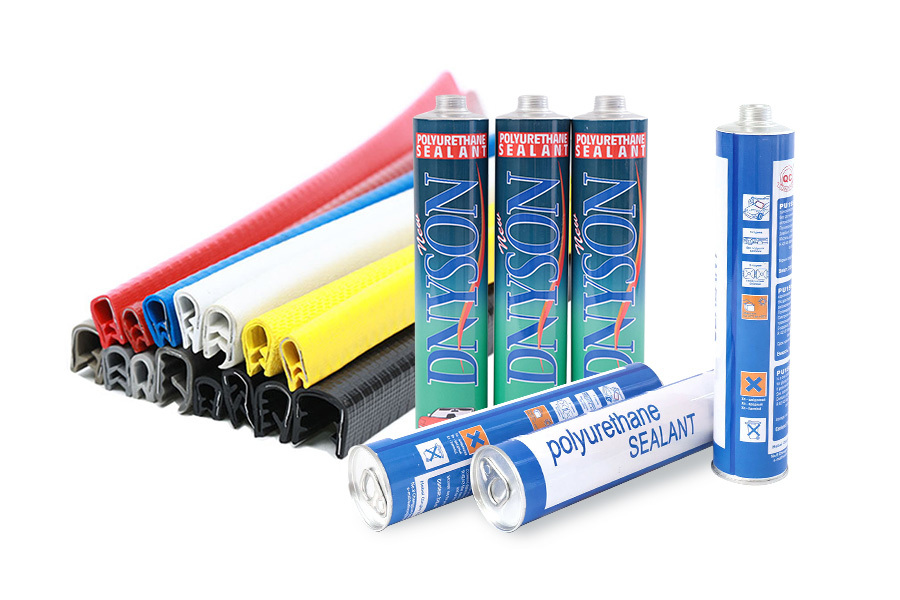
What is new energy vehicle sealant?
Apr 20,2022
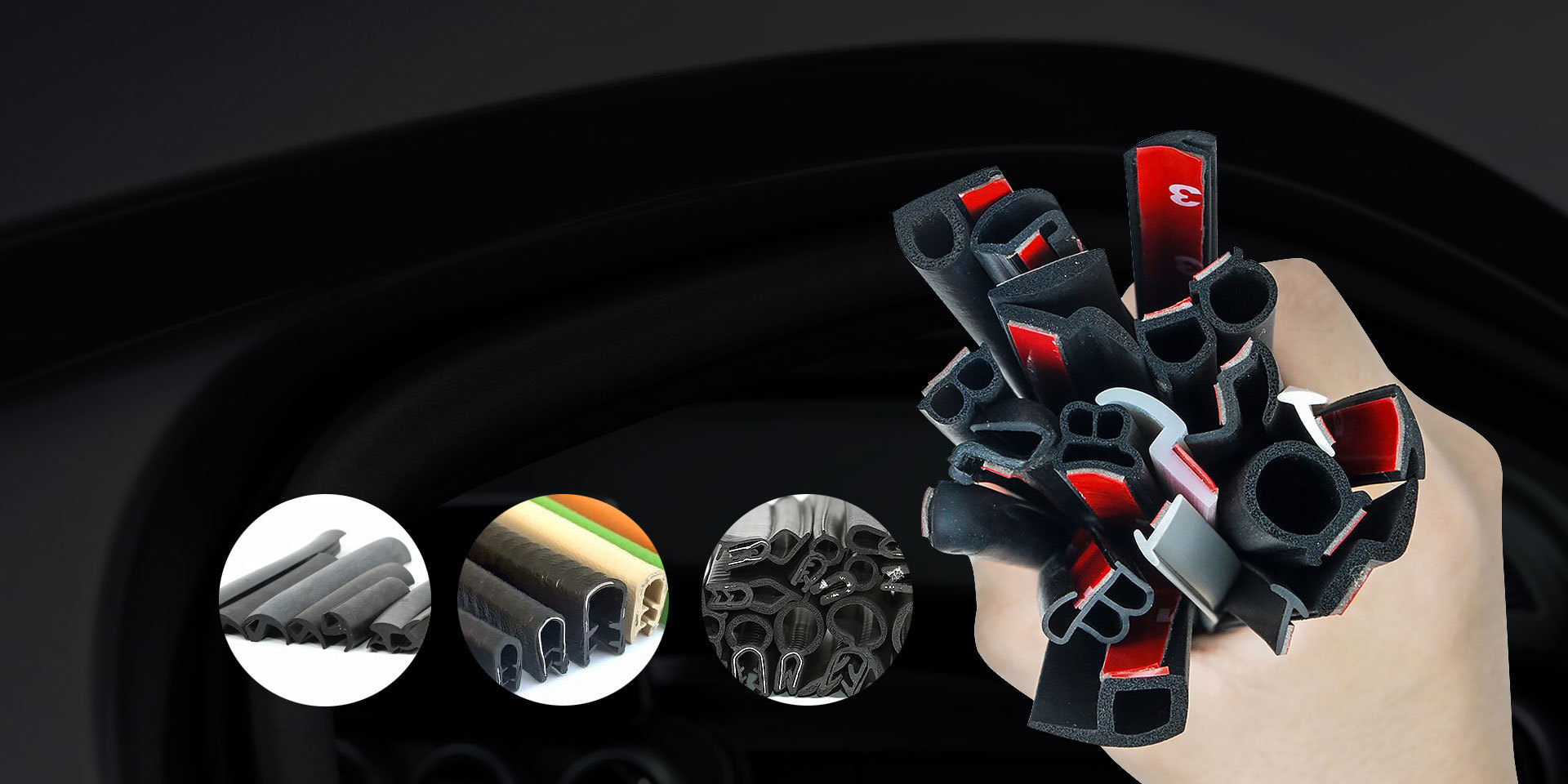
The sealant for new energy vehicles has its particularity. Due to the deformation and damage of most joint surfaces after use and disassembly, the difficulty of sealing and preventing leakage increases, making the "three leaks" problem in the automotive repair industry particularly prominent. Below, we will introduce what isNew Energy Vehicle Sealant.
What are the classifications of new energy vehicle sealants?
1. Glass Adhesive
Glass adhesive can be used to bond the windshield and rear window of the car, allowing them to be firmly attached to the body. The use of glass adhesive can completely eliminate the outdated technical means of installing traditional glass, making it easier for workers to operate and greatly aiding automation. In addition, glass adhesive also has good strength, elasticity, and resistance to pressure and vibration.
2. Sealant
Polyvinyl chloride is a matrix for automotive paint sealants, which can be divided into colored and non-colored types. Its main function is to maintain the sealing of the entire vehicle body, keeping it away from external moisture, dust, and smoke. In addition, this sealant also has anti-corrosion, sound insulation, and aesthetic modeling effects. Colored sealants can be applied in low and high-temperature paint processes, spraying to seal visible gaps externally, and they will not be stained by dry surface paint. Non-colored sealants can be used to fill gaps in the vehicle body or to coat the chassis. Moreover, this non-colored sealant is over 65% lighter than traditional polyvinyl chloride sealants, contributing to reducing vehicle weight.
3. Reinforcing Adhesive
The sealant for new energy vehicles can be used to reinforce metal plates and thermosetting plastic plates in the automotive industry. It can also be used at the joints of automotive parts, seams, doors, inner floors, and trunks to prevent deformation and bending. Additionally, this product has the function of buffering vibrations and is widely used as a decorative material for the inner walls of the vehicle body. Reinforcing adhesive materials can be firmly bonded to various substrates, such as oil-coated iron parts. In the process of designing new vehicle bodies, the use of reinforcing adhesive allows automotive designers to consider reducing the thickness of steel plates without compromising strength.
In practical use, the reinforcing adhesive consists of three layers of composite materials: the top layer is a fabric-like glass paper, the middle layer is a viscous polymer and glass fiber skeleton material, and the bottom layer is release paper. The composite materials can be made into various geometric sizes and shapes according to the selected needs.
The sealant for new energy vehicles is simple and convenient to use; just peel off the anti-adhesive paper and stick it to the desired location. Its gel will cure and harden during the baking process, resulting in excellent reinforcement. Typically, the strength after reinforcement is hundreds of times that of the material before reinforcement. The formula for reinforcing adhesive includes high-temperature and medium-temperature curing; there is also an expandable product where the polymer adhesive expands during solidification.
4. Anaerobic Adhesive
New Energy Vehicle SealantIn automotive repair, there are particularities. Due to the deformation and damage of most joint surfaces after use and disassembly, the difficulty of sealing leaks increases, making the "three leaks" problem in the automotive repair industry particularly prominent. Due to the position of some parts and the high pressure, the oil leakage failure rate has always been high, becoming a major challenge for quality improvement. For example, the valve chamber side cover of the engine is in a lateral position, with internal gas pressure acting on it, making the side cover prone to deformation. The structure and tightening of the middle bolts, among other factors, make the oil leakage problem in this area particularly prominent. Anaerobic sealants have good anti-loosening effects and can completely replace spring washers and flat washers. Anaerobic adhesives can be used for all bolt loosening in automotive repair. Especially when using bolts in some critical areas, their unique effects can be fully utilized. If the connecting rod bolts on the engine are subjected to strong impact loads, the anti-loosening problem of the connecting rod bolts is particularly prominent, and using anaerobic adhesive can solve this problem. Anaerobic sealants can also seal leaks. After tightening the bolts, there is still a certain gap between the threads, allowing for a small amount of leakage. This is particularly prominent in some high-pressure components, where the leakage problem is significant. The old method of adding copper gaskets or lead oil is ineffective, and using anaerobic adhesive can solve this problem.
Previous article


Service Hotline
+8613703190257 Tian Zong
+8615931978520 Manager Wei
Company Address
8 Chengguan Industrial Zone, Qinghe County, Hebei Province, China